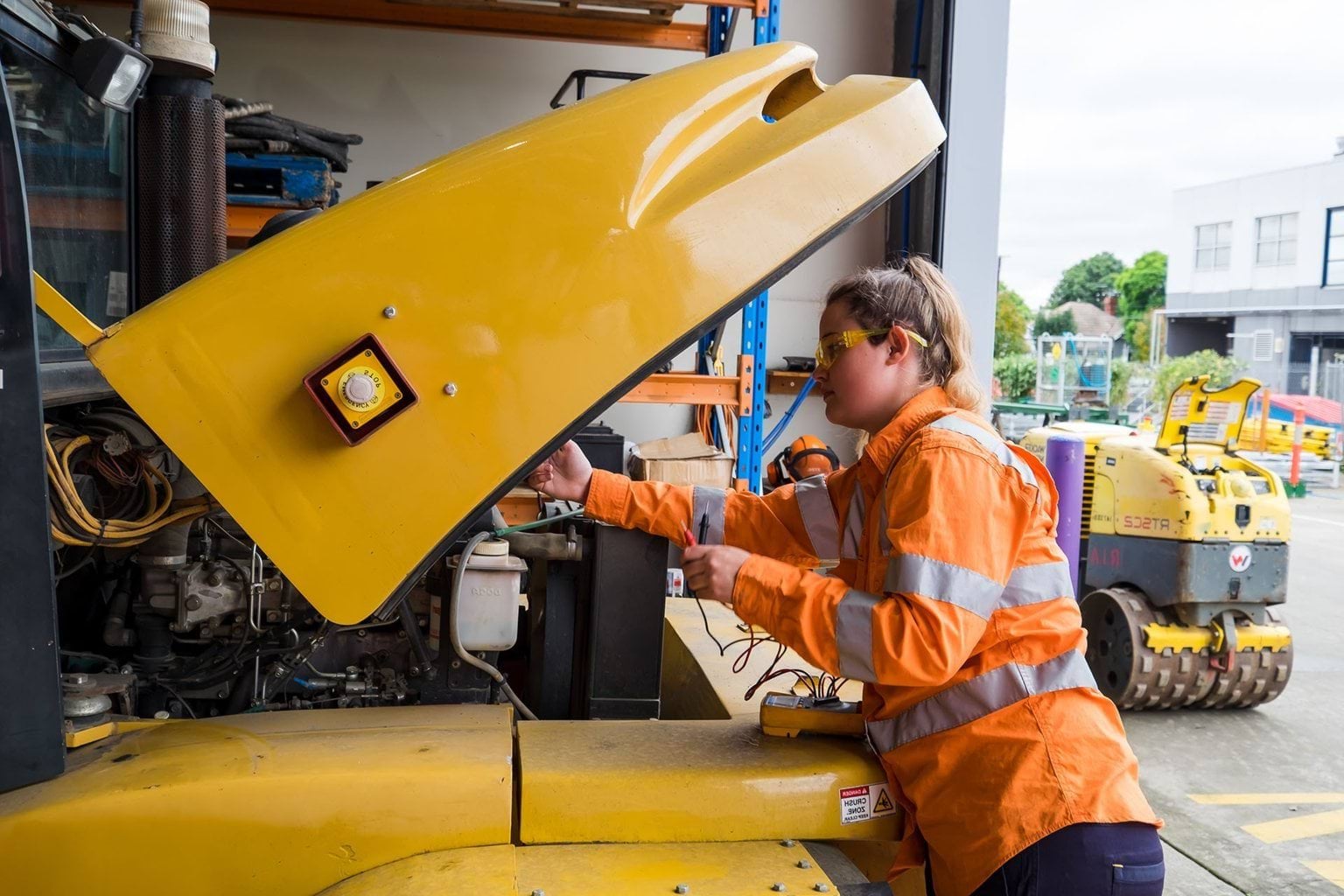
Supporting economic equity for women apprentices and trainees
Provide fair opportunities, pay and conditions at work for women and gender diverse apprentices and trainees.
Use this guidance and the linked resources to support women and gender diverse apprentices and trainees to work safely and earn fair pay. Ensure equal opportunities to grow and succeed in their careers.
Ensure equal pay and address gender pay gaps
Equal pay for equal work is a basic human right. The gender pay gap is the overall difference in average earnings between women and men across the workforce.
Pay roles with similar skill and responsibility equally.
Ensure pay consistency when hiring, promoting or restructuring roles.
Give everyone equal access to training and progression opportunities.
Measure the gender pay gap across your workforce, not just in individual roles. Take action to address the gap.
Review recruitment, promotion and retention data to understand the drivers of this gap.
Ensure women can access training, career development and higher-paying roles.
Explore ways to make higher-paying roles more appealing for women.
Inclusive hiring and development practices help all workers access opportunities and advance their careers.
Include images of women and use gender-neutral language (i.e. ‘tradesperson’) in job ads or on your website.
Add a statement in job ads encouraging people of all genders to apply. This could also encourage applications from First Nations people or people with a disability.
Advertise jobs on large general platforms like Seek, Indeed and LinkedIn.
Share vacancies with women’s organisations, social media groups, community noticeboards and events to reach more women.
Consider all applicants for all jobs. There are not ‘men’s jobs’ or ‘women’s jobs’.
Ask all job applicants the same job-related questions. Don’t ask questions that unfairly target women (e.g., if they have a partner or children).
Consider the value of transferable skills and experience.
Follow anti-discrimination laws in recruitment and promotion. For example, you can’t discriminate based on sex, marital status, pregnancy or family responsibilities.
Think about which parts of the role could be performed flexibly if required.
Offer mentoring, networking, and leadership opportunities fairly.
Make promotion criteria fair and accessible.
Support access to mentoring in your workplace or with industry led networks or organisations.
Support access to networking opportunities through peer groups, industry networks, organisations or events.
Support apprentices and trainees to build connections with peers to reduce isolation.
Seek advice from your TAFE,RTO, ACAP or Apprenticeships Victoria’s Apprentice Helpdesk on how to help your apprentice or trainee to get the support they need.
Seek advice from your TAFE,RTO, ACAP or Apprenticeships Victoria’s Apprentice Helpdesk on
More resources on fair mentoring, networking and leadership
Ensure women can access all types of uniforms and PPE (e.g. hi-vis, gloves and boots), including maternity wear.
Regularly check equipment or clothing for fit and comfort and ask staff for feedback.
Support flexible work and personal leave
Flexible work and leave policies help balance work and personal responsibilities and support career opportunities for everyone, not just women. They can also support employees experiencing family and domestic violence.
Flexible work can include changes to when, where and how work happens. For example:
When work happens: flexible hours, shift choice, shift swaps, part-time work or compressed hours.
Where work happens: different sites, remote work for suitable tasks or working on the road.
How work happens: job design, tools, technology, equipment and workplace design.
Consider requests for flexible rostering, or flexible hours to support caring responsibilities, where practical.
Embed flexible work into team planning and promote flexibility in job advertisements.
Promote flexible work arrangements for all staff, not just women, and support equal access.
This resource supports women and may support gender diverse and non-binary people.
Employer guidance: How to support women apprentices and trainees
Not sure where to start? The guidance below brings together employer responsibilities, practical steps and links to further resources to help you create a safe, fair and respectful workplace for women apprentices and trainees.