


Why it’s important to know your rights
Women and gender diverse people can face challenges at work, especially in male-dominated trades and industries.
These challenges may include:
- limited access to networks, job opportunities and mentors
- experiences of sexism, exclusion and gendered violence
- limited flexibility, making it hard to balance work and caring responsibilities.
Knowing your rights can help you to:
- recognise issues when they happen
- feel empowered to speak up
- seek support and take action if needed.
What you should expect from your employer:
- Freedom from discrimination based on gender, sex, age, race, religion, disability, marital status, pregnancy or caring responsibilities.
- Fair, respectful treatment and equal opportunities.
- Active prevention and zero tolerance for bullying, harassment or gendered violence.
- Supportive conversations and confidential handling of reports about gender-based discrimination or harm.
- Access to clean and safe toilet and hygiene facilities.
- Support for reproductive health, including pregnancy, breastfeeding and caring responsibilities.
- Access to your leave entitlements under workplace laws and agreements.
- Access to required uniforms and PPE that are the right size and fit well.
- Meaningful work that matches your training plan.
- A chance to talk about flexible work options that may be available in your role.
If you need help, support is available
You can access practical help and support services.
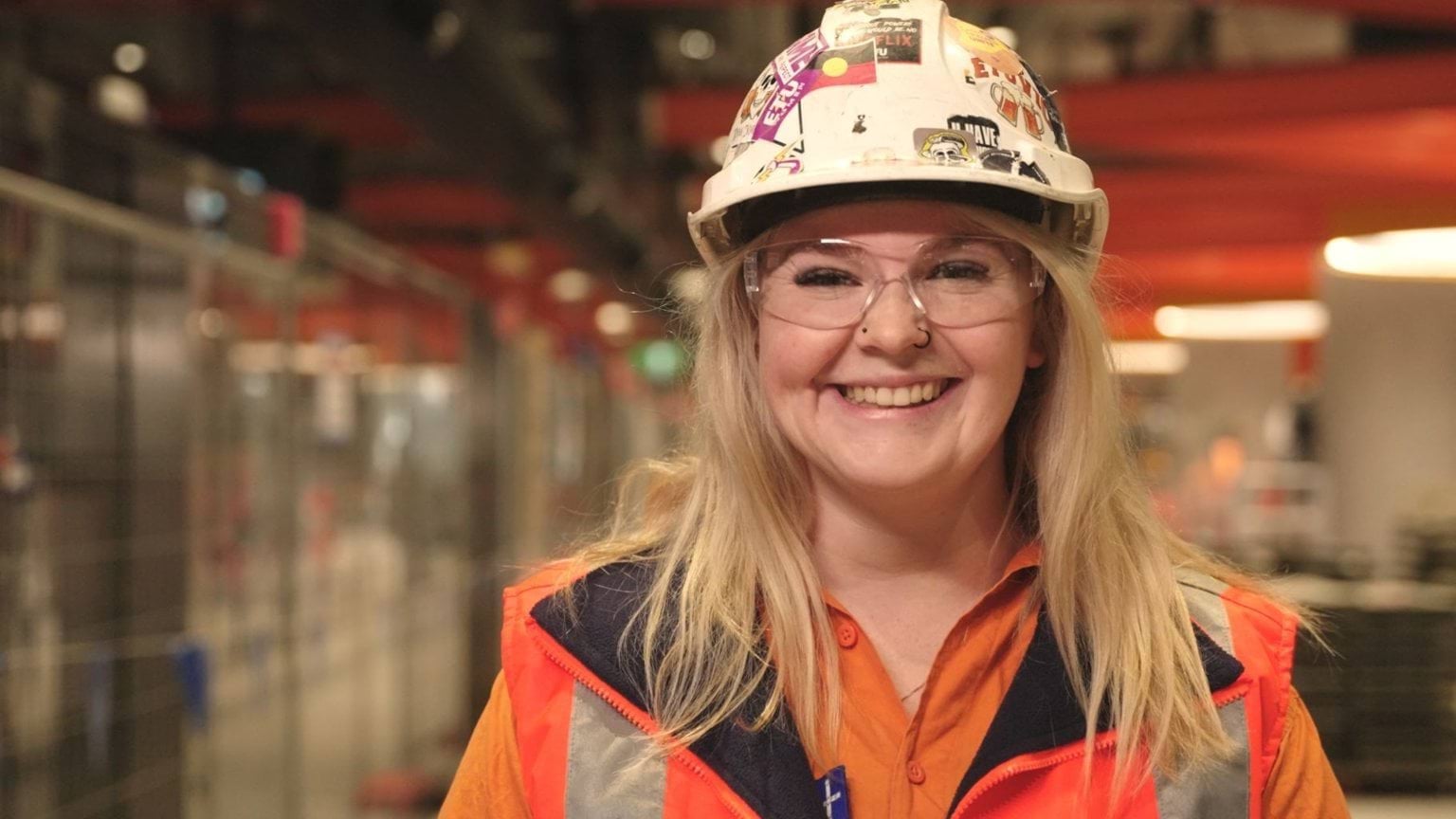
Get inspired by women thriving in trades
Learn how women are building careers through apprenticeships.
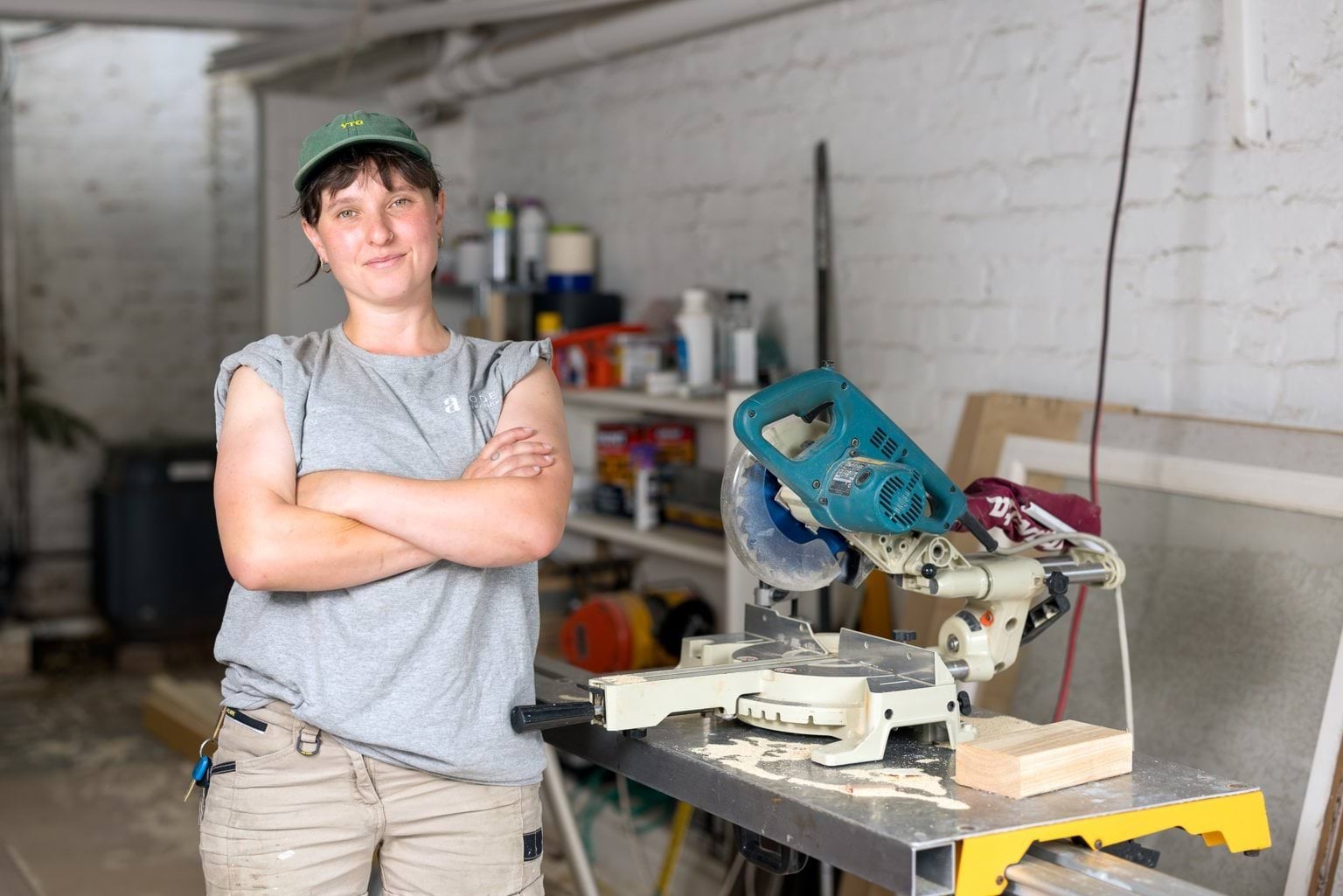
Tash the Tradie
How Tash found her groove in trades.

Libby’s life as a new mum and a first-year apprentice
How Libby balances motherhood while mastering a trade.
Language statement
We acknowledge that our approach to gender equality must always be trans and gender-diverse inclusive. We celebrate the critical role of trans and gender-diverse people in the fight for gender equality.
A person’s gender is their own concept of who they are and how they interact with other people. Many people understand their gender as being a man or woman. Some people understand their gender as a combination of these or neither. A person’s gender may or may not exclusively correspond with their assigned sex at birth.
When we say women, that word always includes trans and gender-diverse women and sistergirls.
The words ‘our’ and ‘we’ in this statement refer to the Victorian Government.
Updated